Capitolo V... Indizi.../Clues...
Aggiornamento: 6 giorni fa

English translation:
La crepa e la roccia: quando la menzogna spezza il pane di casa
Ci sono momenti in cui l'aria in una casa cambia improvvisamente consistenza. Non succede per un evento improvviso o per una fatalità, ma per il crollo di un'illusione.
Accade quando chi amiamo decide di costruire un castello di carte e la prima raffica di vento lo spazza via, lasciando sul tavolo soltanto il peso di una verità amara.
Il valore del sudore e l'illusione della fuga
Mio padre era un uomo d'altri tempi, rigoroso, per il quale il sudore sulla fronte era l'unica unità di misura del valore di una persona. Aveva deciso di fare il grande salto: passare da operaio a coltivatore diretto, prendendo in affitto un terreno per costruire qualcosa di suo.
Mio fratello Mauro, al contrario, aveva scelto la scuola alberghiera guidato da un'idea fissa: non avrebbe mai faticato nei campi. Preferiva le luci dei ristoranti, le sale eleganti e una divisa sempre stirata. Ma alla fine del primo quadrimestre del secondo anno, la finzione è crollata.
Non era stato un brutto voto. Era un inganno architettato per mesi con una freddezza spaventosa: ogni mattina usciva con lo zaino in spalla, salutava mia madre ed evitava la scuola, guardandoci dritti negli occhi mentre nostro padre si spaccava la schiena nei campi.
Per i miei genitori non fu il fallimento scolastico a fare male, ma la menzogna sistematica. Su quella tavola si aprì una crepa profonda e insanabile. Mauro provava a discolparsi scaricando le colpe sugli altri («Non mi hanno trattato con rispetto!», «Alzano la voce con me!»), tradendo un senso del rispetto distorto, l'incapacità di accettare un giudizio o di mettersi in discussione.
I silenzi che pesano più delle urla
Dopo le urla iniziali, dentro casa è sceso un silenzio pesante. Il mutismo di mio padre faceva più rumore di qualsiasi grido. La sua rabbia non esplodeva: implodeva. Fumatrice, accompagnata da quel bicchiere di vino di troppo mentre fissava un punto nel vuoto, cercava faticosamente di capire da dove si potesse ricominciare.
Mia madre tentava di giustificare, di attutire i colpi («È giovane, è stato influenzato...»), ma nei suoi occhi neri si leggeva solo stanchezza e impotenza. Il suo sguardo era diventato un buco nero.
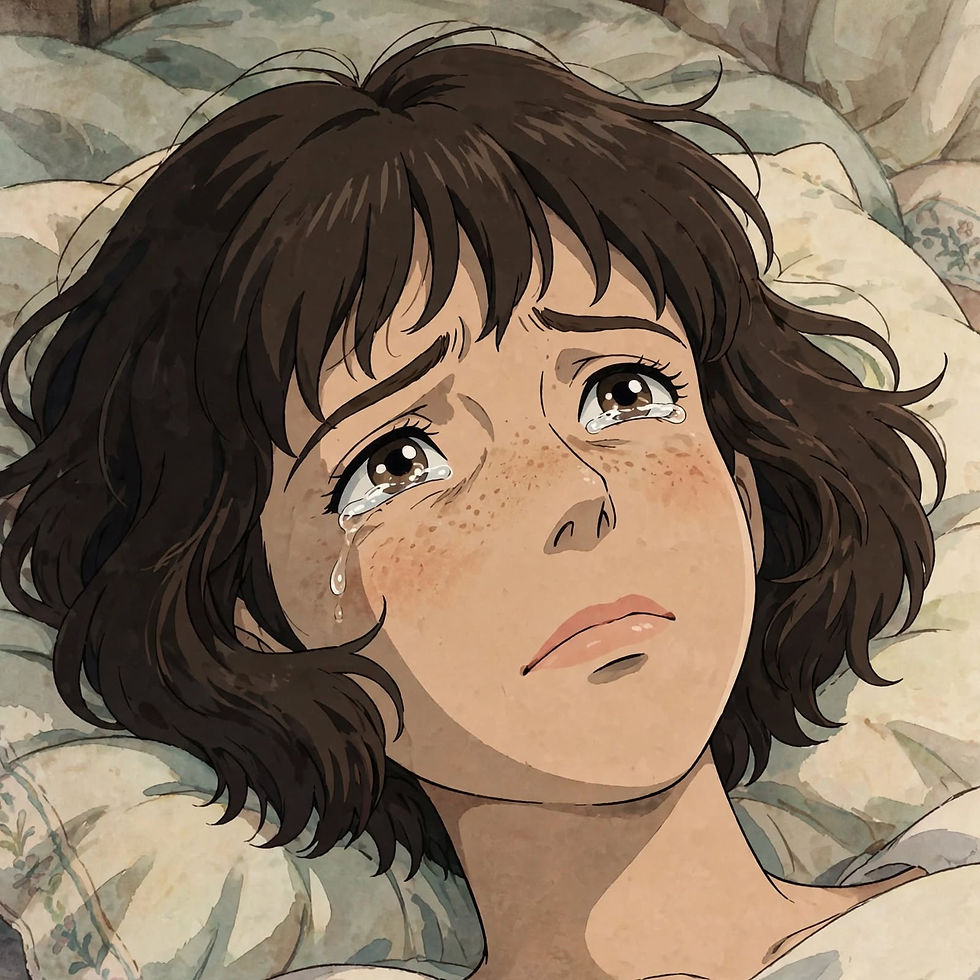
In quel clima, mentre cercavo di isolarmi in camera mia, mi è capitato di sentire un antico formicolio alla testa e di avere una visione nitida, spaventosa: ho visto mio fratello vivo, ma emaciato, giallo, privo di vita negli occhi. Una premonizione o la proiezione del mio profondo sgomento? Ho acceso la musica per scappare via da quell'abisso, convincendomi di aver visto "troppi film".
Ma la realtà rimaneva lì. E davanti a quella deriva, mi sono auto-investita di un ruolo: sarei stata io la roccia. Il mio dovere assoluto sarebbe stato alleggerire l'aria di quella casa.
Spunti di riflessione
Il racconto di questa dinamica familiare ci mette di fronte a snodi relazionali che tutti, prima o poi, ci troviamo ad attraversare:
Il peso della menzogna vs. l'errore: Perché un fallimento scolastico o lavorativo si perdona, mentre la simulazione quotidiana ferisce così a fondo? La menzogna calcolata intacca la fiducia di base: fa vacillare la certezza di conoscere chi ci sta accanto.
Le diverse reazioni al dolore: Mio padre ha risposto con il silenzio e l'implosione; mia madre con la giustificazione e il tentativo di sedare gli animi; io con la ricerca di isolamento e poi con l'assunzione del ruolo di "roccia". Quanto le nostre risposte alle crisi familiari definiscono la nostra identità?
Il peso di diventare la "roccia": Quando una famiglia scricchiola, spesso uno dei figli si fa carico di mantenere l'equilibrio. Ma quanto costa a un'adolescente o a un giovane diventare il punto di forza degli adulti? È un atto d'amore o una gabbia da cui è difficile uscire?
L'incapacità di mettersi in discussione: Il rifiuto di Mauro di accettare le proprie responsabilità è una forma di fragilità mascherata da arroganza. Come si aiuta chi rifiuta di vedere i propri errori e preferisce incolpare il mondo?
E voi cosa ne pensate?
Vi è mai capitato di dover diventare la "roccia" della vostra famiglia in un momento di crisi? Come avete gestito il peso di dover proteggere chi avrebbe dovuto proteggervi? Raccontatelo nei commenti.


Translation
Ecco la traduzione del post in inglese, pensata per mantenere il tono narrativo, le sfumature emotive e l'impatto dei momenti di riflessione.
The Crack and the Rock: When Lies Shatter the Hearth
There are moments when the air inside a home suddenly changes its density. It doesn't happen because of a sudden accident or fate, but because an illusion collapses.
It happens when someone we love decides to build a house of cards, and the first gust of wind sweeps it away, leaving nothing on the table but the heavy weight of a bitter truth.
The Value of Sweat and the Illusion of Escape
My father was a man from another time, rigorous, for whom the sweat on one's brow was the only unit of measurement for a person's worth. He had decided to take the big leap: moving from a simple laborer to a tenant farmer, renting a plot of land to build something of his own.
My brother Mauro, on the other hand, had chosen hotel management school driven by an unshakable conviction: he kept telling anyone who would listen that he would never toil in the fields. To the land and hard labor, he far preferred the lights of restaurants, the charm of elegant dining rooms, and a uniform that was always perfectly ironed and clean.
At the end of the first term of his second year, the charade crumbled.
It wasn't just a bad grade. It was a deception engineered over months with terrifying coldness: every single morning he left home with his backpack, said goodbye to our mother with complete naturalness, and avoided going to school—looking everyone straight in the eye while our father was breaking his back in the fields.
For my parents, it wasn't the academic failure that hurt so deeply, but the systematic lie. A deep, unbridgeable crack opened in our family balance. Mauro tried to excuse himself by shifting the blame onto everyone else ("They didn't treat me with respect!", "They raise their voices at me!"), revealing a distorted sense of respect and a complete inability to accept criticism or question himself.
Silences That Weigh Heavier Than Shouts
After the initial shouting, a heavy silence fell over the house. My father's muteness made more noise than any scream. His anger didn't explode—it imploded. Smoking constantly, indulging in an extra glass of wine whenever bad thoughts returned to haunt him, he sat at the table staring into space, painstakingly trying to figure out where to start over.
My mother tried to justify him, to soften the blow ("He's young, he met kids who influenced him..."), but in her dark eyes, I could read only exhaustion and helplessness. Her gaze had turned into a colorouts black hole.
In that atmosphere, as I locked myself in my room to escape the shockwave, I felt that familiar, ancient tingling in my head—a cold caress—and I had a vivid, frightening vision: I saw my brother alive, but emaciated, pale, with all life drained from his eyes. Was it a premonition or the projection of my deep dismay? I turned on my favorite music to escape that abyss, convincing myself I had been "watching too many movies."
But reality remained. And facing that downward spiral, I assigned myself a new role: I was going to be the rock. My absolute duty would be to lighten the air in that house.
Food for Thought
This story brings us face to face with relational crossroads that we all, sooner or later, encounter:
The Weight of a Lie vs. Making a Mistake: Why is an academic or professional failure easily forgiven, while daily deception wounds so deeply? A calculated lie damages core trust: it shakes our certainty of truly knowing the people closest to us.
Different Reactions to Pain: My father responded with silence and implosion; my mother with justification and an attempt to keep the peace; I sought isolation and then took on the role of the "rock." How much do our responses to family crises end up defining our identity?
The Burden of Becoming the "Rock": When a family falters, one of the children often takes on the burden of maintaining balance. But what is the hidden cost for a young person who steps up to be the pillar for the adults? Is it an act of love or a cage that is hard to escape?
Inability to Question Oneself: Mauro's refusal to take responsibility is a form of fragility disguised as arrogance. How do you help someone who refuses to acknowledge their mistakes and prefers to blame the world?
What about you?
Have you ever had to step up as the "rock" for your family during a crisis? How did you carry the weight of protecting those who were supposed to protect you? Share your thoughts in the comments below.


Commenti